Skip to main content Skip to footer

Getting a Transplant

Getting a Transplant

Getting a Transplant


If you have been added to the national organ transplant waiting list, you have completed a very important step in the transplant journey! Make sure you work with your team to understand what you can do to be ready for the next steps, to make sure you stay active on the waiting list, and to stay healthy enough for a transplant.

Once your name is added and you are an active status on the national waiting list, you will be included in the process to match donor organ with patients who are waiting. This process is called a match run, and it takes the information on organ donors and transplant candidates and generates a list for organ offers once an organ is available. Deceased donor organs come from brain death (permanent loss of activity in the brain and brain stem) or circulatory death (heart stops beating permanently and blood circulation and breathing stop). This computer-generated process determines rank order using factors like blood type, body size, and how far an organ can be transported.


When an organ match is found for you, your transplant center will review the offer first. If your doctor feels the donor is a good option for you, your transplant center will call you and provide details on the donor organ. The sections below will share more information about these steps.  

What to Expect


After you are listed, the waiting time for a transplant will depend on many factors. The questions and resources listed below are a starting point to understand what waiting time to expect. During this time on the waiting list, you will have periodic visits with the transplant center, blood tests, and other check-ups to monitor your health. Your transplant center will share information about how to stay healthy. If you are sick or your transplant center needs more information to complete a follow up, you may be moved to inactive status, and this means you cannot receive a transplant. If you have questions about your status or what is needed to stay active, your transplant canter can help.

When you receive an offer, your center may call you at any time of the day or night. Once you are given additional information on the organ you received in the match run, you will need to decide quickly if you want to accept the organ offer or remain on the waiting list. If you are unsure of what to expect or have concerns, discuss them with your doctor.

Your decision will depend on factors like potential risks associated with the donor organ, and how soon you need a transplant. If you decide to accept the organ offer, you must be able to make it to the transplant center in a timely manner. The questions below share more information about what to expect when you get an offer.

Steps in the Journey


The information about each step in the journey will depend on the organ type. Expand the section for the organ type to see more details about each step.

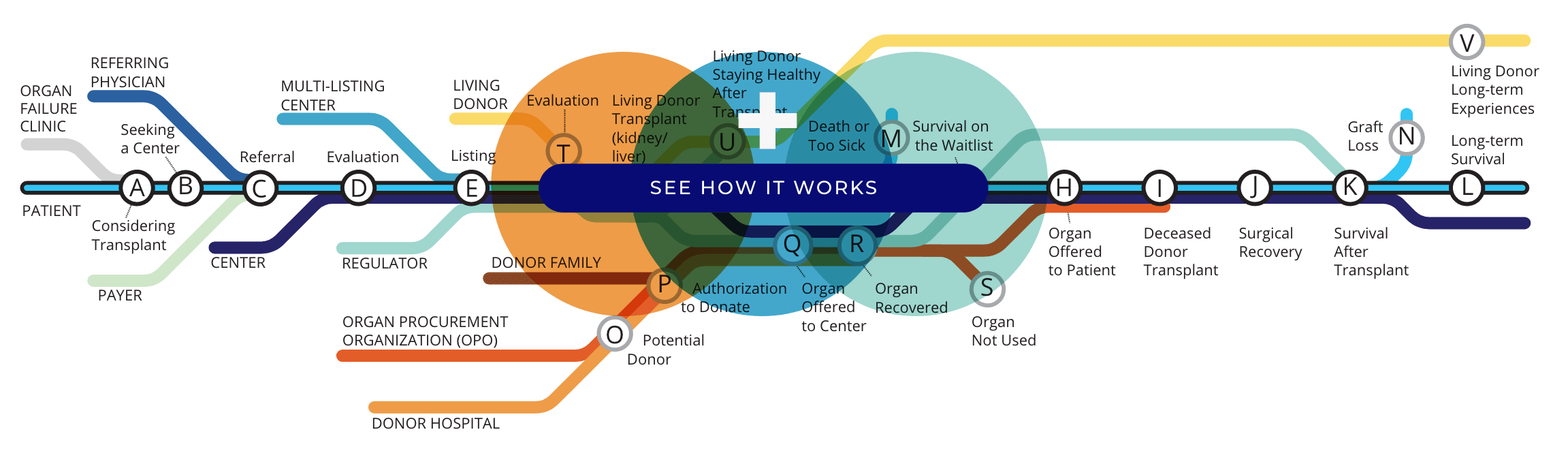
Survival on the Waitlist:

Because of a shortage of donor organs, not all transplant candidates survive to receive a transplant. There are actions you can take to stay healthy and increase your chances. Your care team is there to help you get the resources and support you need.

Organ Offered to Patient:

The transplant center reviews details of the donor and candidate first. The candidate will be contacted if the center feels the donor is a good match. Once you receive a heart organ offer, you must either accept or reject the organ offer. If you accept the heart organ offer, you may go in to your transplant center for surgery, followed by recovery time.

If you decide to reject the heart organ offer, your name will remain on the waiting list and the organ will be offered to another transplant candidate.

Deceased Donor Transplant:

You will go to the hospital and begin preparations for surgery. If the recovery and transportation of the donor organ and final test results are acceptable, the transplant surgery will proceed.

Living Donor Transplant:

A living donor transplant can reduce waiting times and improve outcomes. Your transplant center will determine if a living donor is suitable for you.

Survival on the Waitlist:

Because of a shortage of donor organs, not all transplant candidates survive to receive a transplant. There are actions you can take to stay healthy and increase your chances. Your care team is there to help you get the resources and support you need.

Organ Offered to Patient:

The transplant center reviews details of the donor and candidate first. The candidate will be contacted if the center feels the donor is a good match. Once you receive a kidney organ offer, you must either accept or reject the organ offer. If you accept the kidney offer, you may go in to your transplant center for surgery, followed by recovery time.

If you decide to reject the kidney organ offer, your name will remain on the waiting list and the organ will be offered to another transplant candidate.

Deceased Donor Transplant:

You will go to the hospital and begin preparations for surgery. If the recovery and transportation of the donor organ and final test results are acceptable, the transplant surgery will proceed.

Living Donor Transplant:

A living donor transplant can reduce waiting times and improve outcomes. Your transplant center will determine if a living donor is suitable for you.

Survival on the Waitlist:

Because of a shortage of donor organs, not all transplant candidates survive to receive a transplant. There are actions you can take to stay healthy and increase your chances. Your care team is there to help you get the resources and support you need.

Organ Offered to Patient:

The transplant center reviews details of the donor and candidate first. The candidate will be contacted if the center feels the donor is a good match. Once you receive a liver organ offer, you must either accept or reject the organ offer. If you accept the liver organ offer, you may go in to your transplant center for surgery, followed by recovery time.

If you decide to reject the liver organ offer, your name will remain on the waiting list and the organ will be offered to another transplant candidate.

Deceased Donor Transplant:

You will go to the hospital and begin preparations for surgery. If the recovery and transportation of the donor organ and final test results are acceptable, the transplant surgery will proceed.

Survival on the Waitlist:

Because of a shortage of donor organs, not all transplant candidates survive to receive a transplant. There are actions you can take to stay healthy and increase your chances. Your care team is there to help you get the resources and support you need.

Organ Offered to Patient:

The transplant center reviews details of the donor and candidate first. The candidate will be contacted if the center feels the donor is a good match. Once you receive a lung organ offer, you must either accept or reject the organ offer. If you accept the lung organ offer, you may go in to your transplant center for surgery, followed by recovery time.

If you decide to reject the lung organ offer, your name will remain on the waiting list and the organ will be offered to another transplant candidate.

Deceased Donor Transplant:

You will go to the hospital and begin preparations for surgery. If the recovery and transportation of the donor organ and final test results are acceptable, the transplant surgery will proceed.

Survival on the Waitlist:

Because of a shortage of donor organs, not all transplant candidates survive to receive a transplant. There are actions you can take to stay healthy and increase your chances. Your care team is there to help you get the resources and support you need. Organ Offered to Patient:

The transplant center reviews details of the donor and candidate first. The candidate will be contacted if the center feels the donor is a good match. Once you receive a pancreas organ offer, you must either accept or reject the organ offer. If you accept the pancreas organ offer, you may go in to your transplant center for surgery, followed by recovery time.

If you decide to reject the pancreas organ offer, your name will remain on the waiting list and the organ will be offered to another transplant candidate.

Deceased Donor Transplant:

You will go to the hospital and begin preparations for surgery. If the recovery and transportation of the donor organ and final test results are acceptable, the transplant surgery will proceed.

Survival on the Waitlist:

Because of a shortage of donor organs, not all transplant candidates survive to receive a transplant. There are actions you can take to stay healthy and increase your chances. Your care team is there to help you get the resources and support you need.

Organ Offered to Patient:

The transplant center reviews details of the donor and candidate first. The candidate will be contacted if the center feels the donor is a good match. Once you receive an intestine organ offer, you must either accept or reject the organ offer. If you accept the intestine organ offer, you may go in to your transplant center for surgery, followed by recovery time.

If you decide to reject the intestine organ offer, your name will remain on the waiting list and the organ will be offered to another transplant candidate.

Deceased Donor Transplant:

You will go to the hospital and begin preparations for surgery. If the recovery and transportation of the donor organ and final test results are acceptable, the transplant surgery will proceed.

Questions to Consider


Patients may not know what information is available to help guide their journey. The questions below are a place to start gathering information to discuss with your care team.

Keep Exploring


See more about who plays a part in the journey and follow each step in the transplant system using the Interactive System Map.

Accessibility

High Contrast
Text Spacing